Healthcare expansion does not always need to begin with a conventional building program.
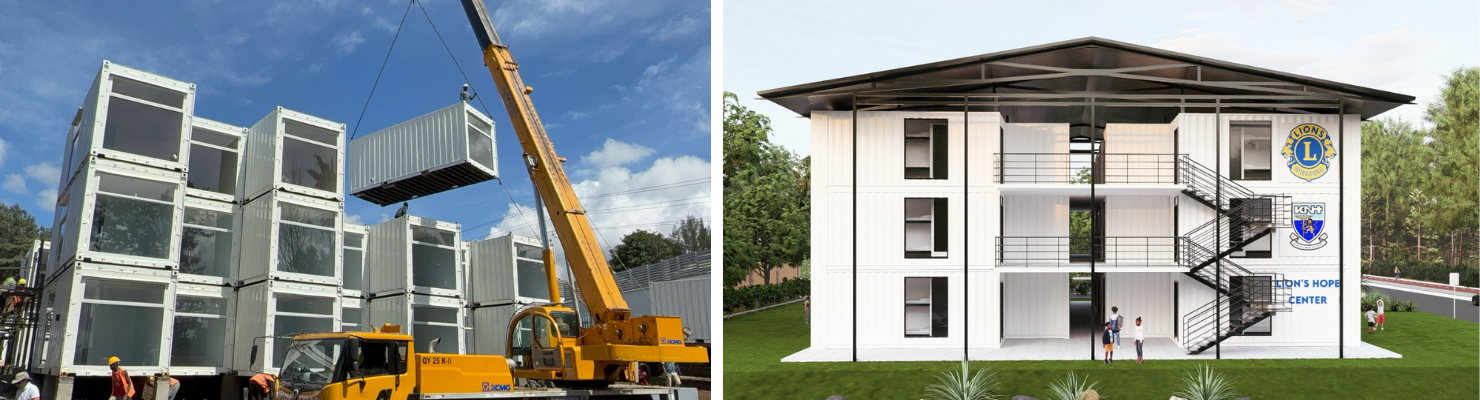
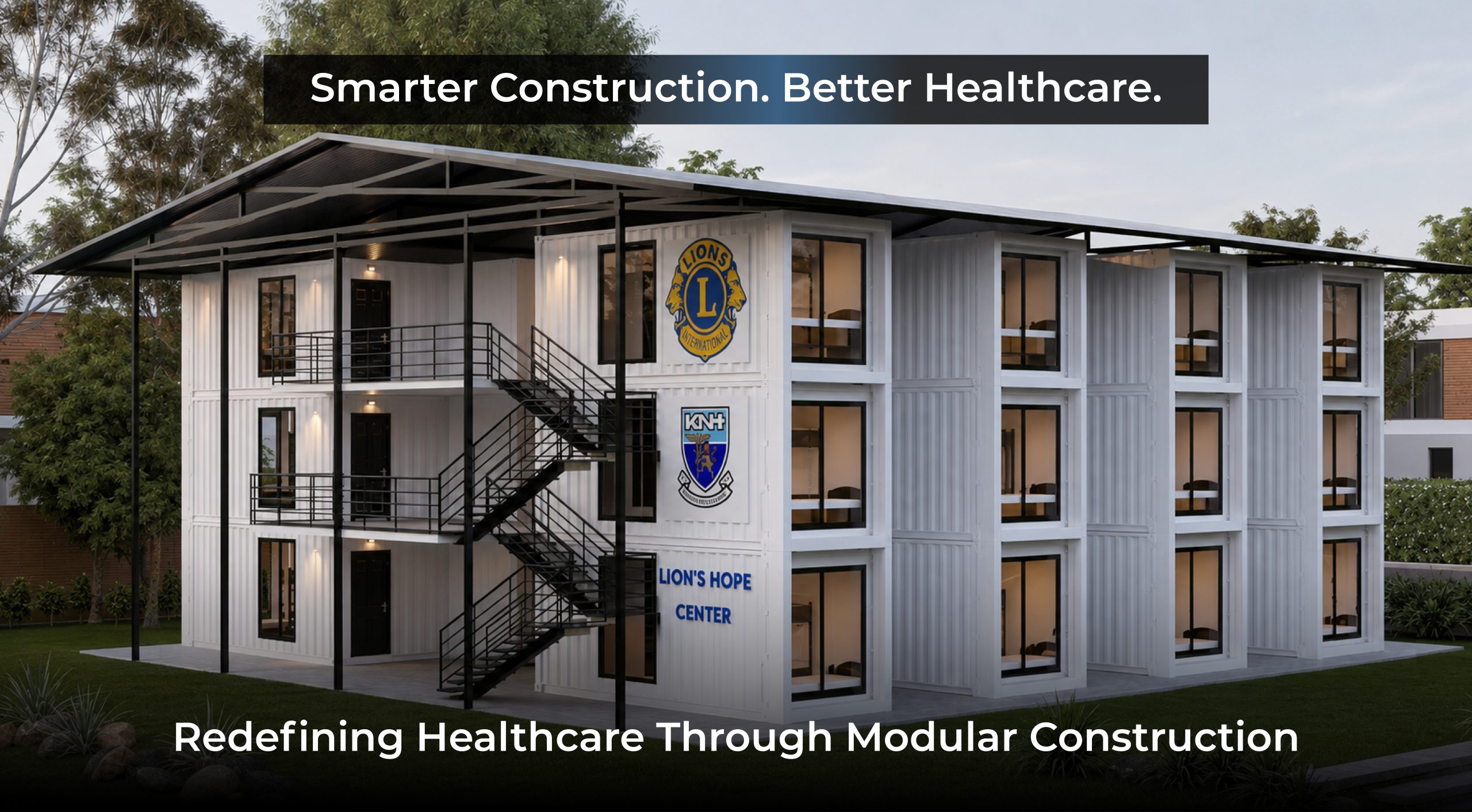
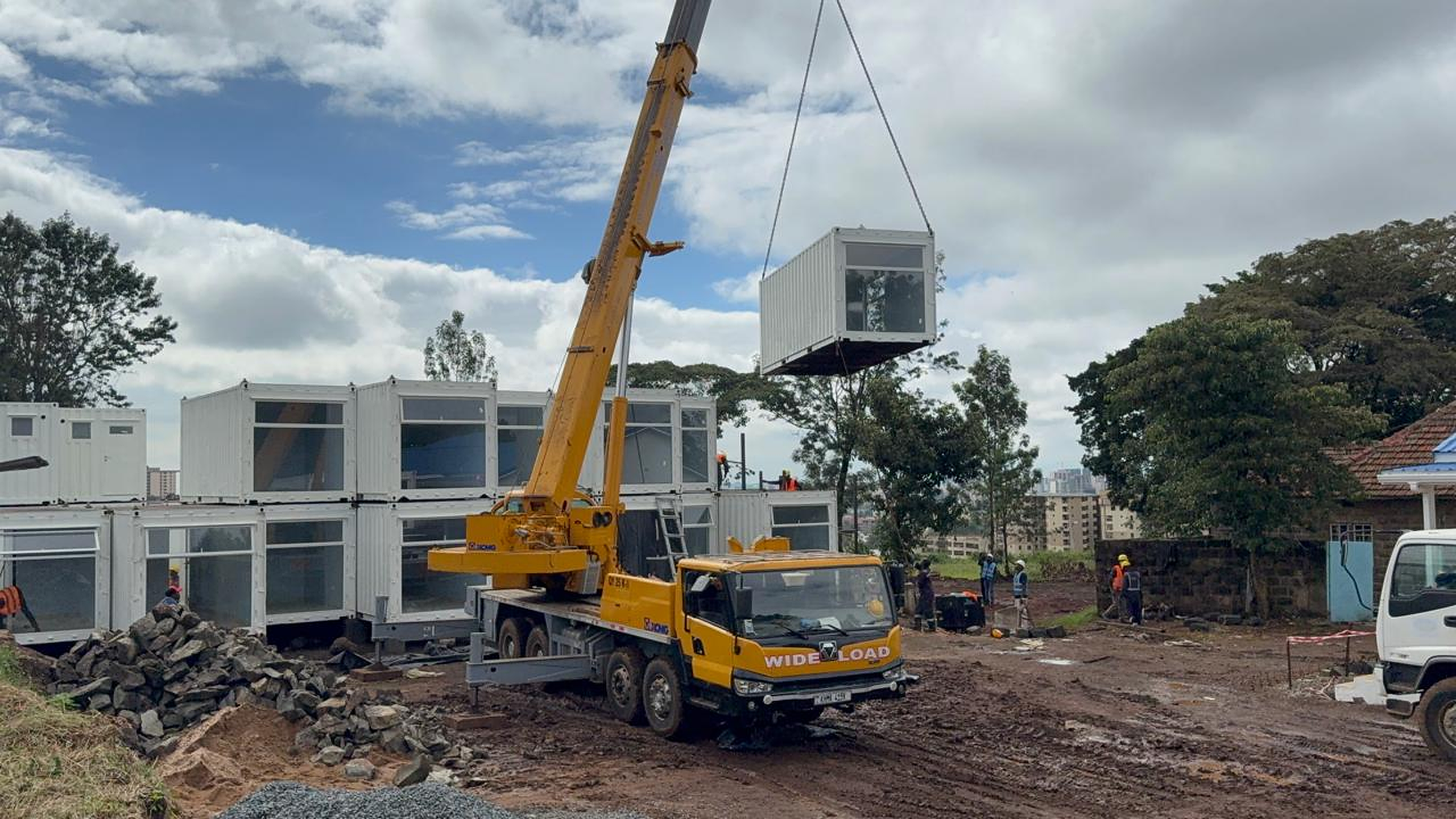
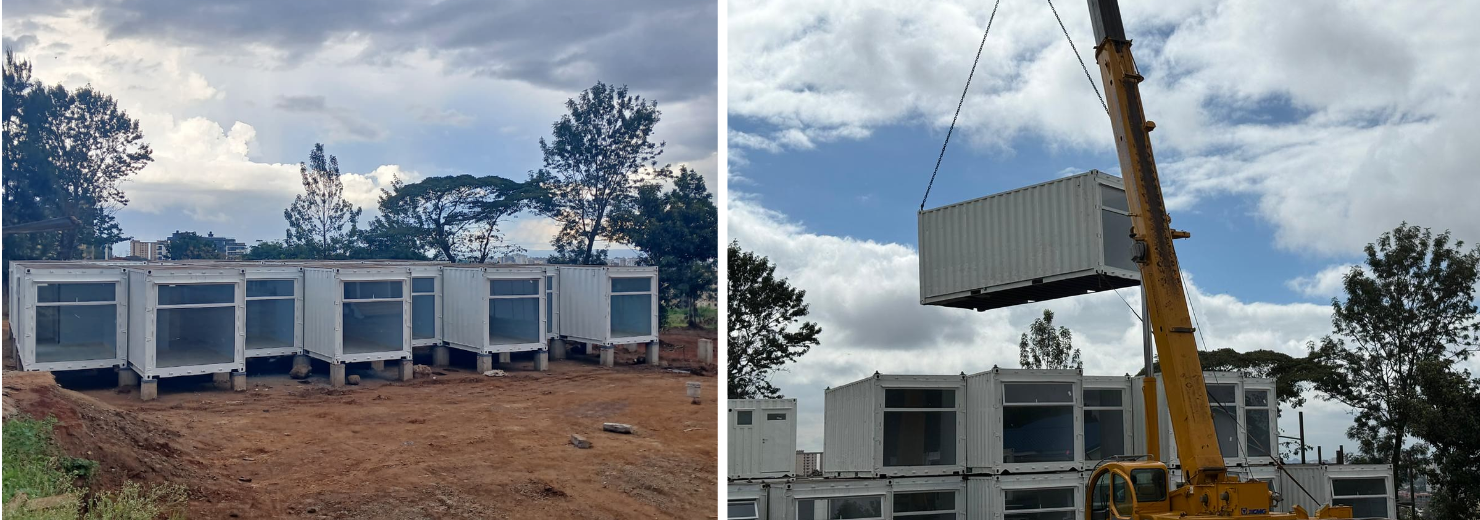
At Lions Eye Hospital, ISM Containers used converted 20 ft shipping containers to create a multi-storey patient accommodation facility, providing the hospital with dedicated accommodation as part of its wider development.
The project is an example of containerized construction being used at a scale and level of specification that goes well beyond the familiar standalone container unit. Individual containers became engineered building modules, manufactured and fitted out off site, then brought together as a complete multi-storey facility.
For healthcare providers planning additional capacity, it presents a different way of thinking about how new infrastructure can be delivered.
Creating More Space Without Building Everything on Site
Expanding a healthcare facility presents a particular challenge. New infrastructure may be required while the existing environment continues to serve patients, staff and visitors.
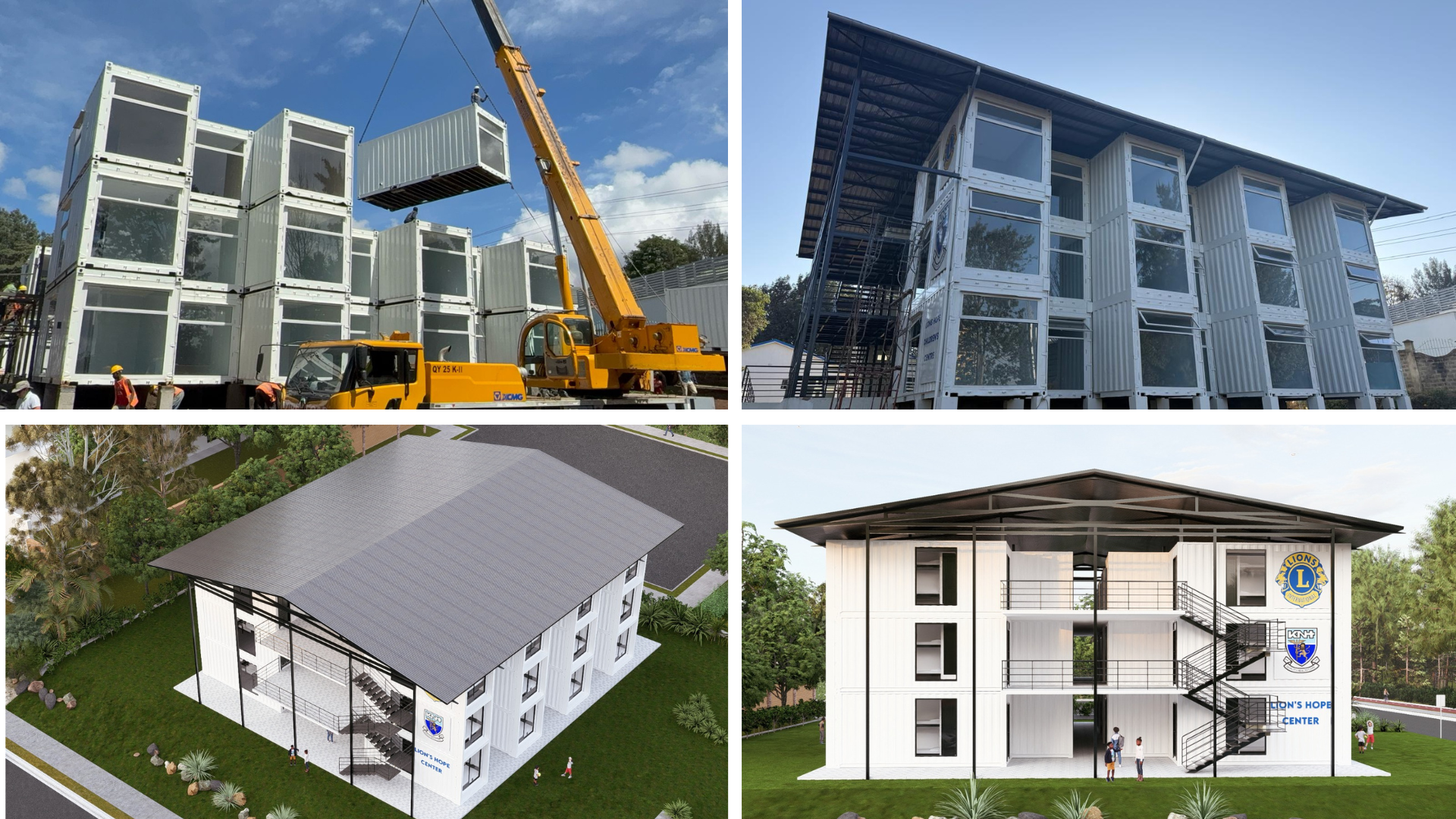
The Lions Eye Hospital accommodation was developed with much of the construction taking place at ISM’s manufacturing facility.
The 20 ft. containers underwent structural modification before insulation, mechanical and electrical installations, plumbing and internal finishes were incorporated. This allowed the modules to reach an advanced stage of construction before being transported to the hospital site.
The result is a different construction sequence: while work progresses at the project location, the building itself is also taking shape elsewhere.
For healthcare developments, that ability to move substantial construction activity away from the point of care is one of the practical advantages of a containerized approach.
From Individual Modules to a Multi-Storey Facility
The Lions Eye Hospital project was never conceived as a collection of standalone container units.
The containers were designed as components of a larger accommodation building, with their structural configuration, connections, services and final positioning considered as part of the complete development.
This allowed multiple 20 ft. modules to be configured across levels to create the multi storey accommodation wing.
It is an important distinction for organizations evaluating containerized construction. The container provides a strong and repeatable structural platform, but the quality of the finished development depends on how that platform is designed, engineered and integrated as a building.
Delivering the Standard Expected of Healthcare
Accommodation
Using shipping containers as the primary structure does not mean accepting a shipping container as the finished environment.
At Lions Eye Hospital, the conversion process transformed the original units into spaces designed specifically for accommodation.
Structural modifications created the required openings and connections. Insulation addressed the internal environment. Mechanical, electrical and plumbing services were incorporated into the modules and the interiors were finished according to their intended use.
The focus throughout was on the requirements of the finished facility rather than preserving the characteristics of the original container.
That is where professionally engineered container construction differs from a basic conversion.
Making Healthcare Expansion More Flexible
Healthcare infrastructure rarely remains static.
Providers may need additional patient accommodation, staff housing, consultation areas, laboratories, offices or other support facilities as demand changes.
Containerized construction provides another option for delivering that capacity, particularly where repeatable spaces can be manufactured off site and assembled as part of a larger development.
The Lions Eye Hospital project shows that this approach is not limited to temporary facilities or single storey units. With the appropriate design and engineering, container modules can form substantial, permanent buildings serving demanding operational environments.
What Lions Eye Hospital Demonstrates for Healthcare
Developers
For healthcare providers, developers and investors, the relevance of Lions Eye Hospital lies less in the container itself and more in what the construction method makes possible.
A significant proportion of the building can be produced away from the final site. Modules can be developed to a high level of completion before transportation. Multiple units can be engineered into larger configurations and the solution can be designed around a defined accommodation requirement.
At Lions Eye Hospital, those principles were applied to a multi storey patient accommodation facility.
For ISM Containers, the project represents a clear example of containerized construction moving beyond individual conversions and into larger scale infrastructure.